Whimsical Christmas Deer Clipart: Designer Review
As a graphic designer who has spent the last decade refining brand identities and crafting seasonal campaigns for small businesses, I approach every new graphic design asset with a critical eye. It is not enough for an image to be cute; it must be functional, versatile, and capable of elevating a client’s visual narrative. Recently, I integrated Whimsical Christmas Deer Clipart into a holiday branding package for a boutique handmade soap company, and the results offered valuable insights into how this specific style of Illustrations performs in real-world commercial applications.
First Impressions and Visual Mood
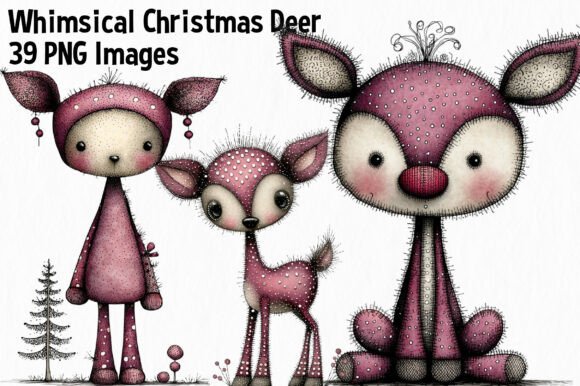
The immediate impact of Whimsical Christmas Deer Clipart is one of approachable warmth. Unlike rigid, hyper-realistic vector art, these designs lean into a softer, hand-drawn aesthetic that feels organic and inviting. The lines are fluid, suggesting movement and playfulness, which is crucial for brands trying to connect emotionally with their audience during the high-stress holiday season. This mood naturally fits clients in the lifestyle, wellness, and children’s sectors. For my soap client, the whimsical nature of the deer softened the clinical feel of ingredient lists, making the packaging feel like a gift rather than a commodity.
When evaluating such clipart, I look for consistency in stroke weight and color palette. These assets maintain a cohesive look, allowing them to be mixed and matched without creating visual discord. This consistency is vital for maintaining brand identity across various touchpoints, from social media graphics to physical product labels.
Performance in Real Design Scenarios
The true test of any digital product is its versatility. I deployed these deer illustrations across several mediums to gauge their adaptability. In packaging design, the clipart worked exceptionally well as a central hero graphic on box lids. The open space around the deer allowed for clear typography placement, ensuring that product names remained legible. For sticker design, the clean outlines translated perfectly to die-cut shapes, providing a professional finish that customers appreciate.
In the realm of social media graphics, specifically for Instagram and Pinterest, the assets served as excellent decorative accents. They did not overpower the text but added a festive layer that increased engagement. I also tested them in a Canva template created for the client’s email newsletter. The whimsical style broke up large blocks of text, guiding the reader’s eye through the content without causing distraction. For those involved in Cricut projects or print-on-demand ventures, these designs offer significant potential. Whether applied to tote bags, mugs, or t-shirt design, the simplicity of the forms ensures they remain recognizable even when scaled down or printed on textured fabrics.
Strategic Placement and Visual Hierarchy
Understanding where to place Whimsical Christmas Deer Clipart is key to maintaining a strong visual hierarchy. These illustrations shine in large layout areas where they can breathe. They are ideal for hero sections on websites, front-facing packaging, and standalone printable design products like wall art. However, designers must exercise caution when using them in crowded layouts. Because the style is detailed and expressive, placing multiple deer instances close together can create visual noise, reducing the overall professionalism of the piece.
I found that these assets work best when used sparingly as focal points. In editorial design or blog visuals, a single deer illustration can anchor a header, while smaller elements like holly or stars from the same bundle can support subheadings. This approach maintains balance and ensures the design feels curated rather than cluttered. For logo design, while the style is charming, it may lack the scalability required for very small applications, such as favicon icons or embroidery on small garments. It is better suited for secondary branding elements or seasonal campaign logos rather than primary corporate marks.
Technical Considerations for Professional Use
Before committing to any commercial design project, thorough technical checks are non-negotiable. I began by testing the PNG design files against both light and dark backgrounds. The transparency was clean, with no jagged edges, which is essential for seamless integration into complex layouts. I also examined the SVG design files for editability. Being able to adjust colors to match specific brand palettes is a huge advantage, allowing for greater customization without losing image quality.
Contrast is another critical factor. I tested the deer illustrations in black and white to ensure they retained their form without color reliance. This is particularly important for cost-effective printing methods or newspaper-style marketing visuals. Additionally, I paired the clipart with various font styles. It harmonized beautifully with handwritten and script fonts, enhancing the handmade feel. However, it also provided a nice contrast to bold sans serif fonts, creating a modern, eclectic look suitable for contemporary Etsy product listings. Always verify the commercial license terms before use. Ensuring you have the right to use these design assets for client work protects both you and your business from legal issues.
Final Verdict for Designers and Business Owners
Whimsical Christmas Deer Clipart is a robust addition to any designer’s toolkit, particularly for those serving the handmade and small business sectors. It bridges the gap between playful charm and professional polish. While it requires thoughtful placement to avoid visual clutter, its ability to enhance emotional appeal and brand consistency makes it a valuable resource. Whether you are creating a sublimation design for apparel, a product mockup for online sales, or a festive web design element, these illustrations deliver quality and character. By respecting their scale and context, you can leverage this design bundle to create memorable, engaging, and commercially viable holiday visuals.