Merry and Christmas: A Designer’s Review for Holiday Embroidery
As an embroidery designer who has spent countless hours staring at digitized files and troubleshooting thread breaks, I approach every new machine embroidery design with a mix of excitement and skepticism. We all know that what looks perfect on a screen does not always translate beautifully to fabric. When I first loaded Merry and Christmas into my software, I wasn’t just looking at pretty pixels; I was evaluating its potential for real-world application. This piece falls under the category of Illustrations, which immediately suggests a need for careful handling regarding stitch density and detail preservation.
First Impressions and Visual Personality
The immediate mood created by Merry and Christmas is warm, nostalgic, and inviting. It avoids the harsh, clip-art aesthetic that plagues so many holiday designs. Instead, it offers a hand-drawn feel that resonates with the current trend toward organic, artisanal aesthetics. For those of us running a craft business or selling on platforms like Etsy, this visual personality is crucial. Customers are increasingly drawn to items that feel handmade and unique rather than mass-produced.
The layout appears balanced, with a flow that guides the eye naturally across the design. However, as a reviewer, I look closer at the transition between elements. Does the text integrate seamlessly with the graphical components? In this case, the interplay suggests a cohesive unit, but the devil is always in the details. The level of detail here is moderate, which is a double-edged sword. It provides enough interest to be engaging without becoming a nightmare of tiny stitches that break easily on high-speed machines.
Real-World Application: From Sweatshirts to Tote Bags
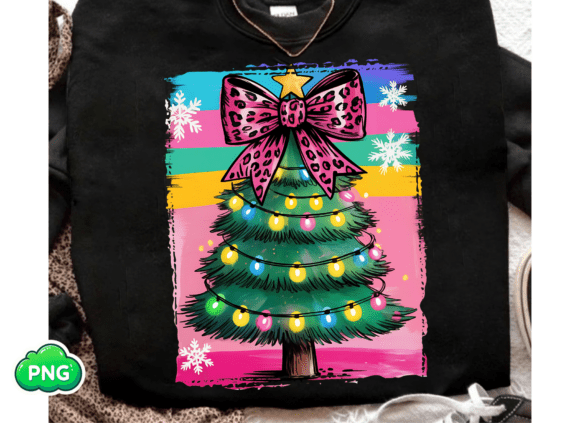
To truly understand the value of an embroidery file, you have to imagine it on a product. I recently worked on a custom order for a boutique client who wanted a line of holiday-themed sweatshirt embroidery. Merry and Christmas would be an excellent candidate for this application. The design’s scale seems appropriate for the left chest or a larger center placement on a crewneck. On a soft, fleece-backed sweatshirt, the texture of the stitches adds a tactile dimension that enhances the perceived value of the finished product.
Beyond apparel, consider the versatility for home goods. A tote bag design needs to be durable and visually striking from a distance. If this illustration holds up well in a larger hoop size, it could become a signature item for a small shop product line during the Q4 rush. Imagine these stitched onto canvas totes with contrasting thread colors—the result would be a highly giftable item that appeals to buyers looking for a personalized gift that doesn’t feel generic.
For those interested in baby embroidery, caution is advised. While the theme is festive, the intricacy might be too dense for delicate baby fabrics unless scaled down significantly and paired with the right stabilizer. However, for older children’s holiday pajamas or denim jackets, it could work beautifully as a playful accent.
Navigating Technical Challenges and Fabric Choices
No design is universal, and Merry and Christmas requires thoughtful execution depending on the substrate. One of the primary concerns with illustrative styles is stitch density. If the design relies heavily on fill stitch areas, it can cause puckering on lightweight or stretchy fabrics. I strongly recommend testing this design on scrap fabric that matches your final project material before committing to a customer’s garment.
When working with dark fabrics, such as navy or black hoodies, you must pay close attention to thread colors. A lack of contrast can make the design disappear. Conversely, on light fabrics, ensure that the backing stabilizer does not show through any open areas of the design. Using a color-matched topstitch or ensuring adequate underlay stitching is critical for a professional finish.
Curved surfaces present another challenge. If you plan to use this on a cap or a structured hat, the distortion caused by the curve can warp the illustration. In such cases, simplifying the design or using an applique design technique might be a smarter route, though this specific file appears to be standard embroidery. Always check the recommended hoop size against your machine’s capabilities. Trying to cram a large illustration into a small hoop can lead to registration errors and frustrated customers.
Commercial Viability and Brand Consistency
For Etsy sellers and digital product sellers, the commercial viability of a design hinges on its ability to stand out in a saturated market. Merry and Christmas offers a classic appeal that transcends fleeting trends, making it a safe bet for annual holiday collections. It supports brand consistency by offering a polished, professional look that builds customer trust.
When creating printable mockup assets for your online store, this design photographs well. The clear lines and distinct shapes translate effectively into digital previews, helping potential buyers visualize the embroidered patch or stitched item on their own devices. This visual clarity can significantly boost buyer engagement and conversion rates.
However, always verify the licensing terms. Just because a design is beautiful does not mean it is free for unlimited commercial use. Confirm whether the license allows for selling physical finished items or if it restricts use to personal projects. This due diligence protects your commercial embroidery business from legal issues down the line.
Practical Notes for the Serious Maker
Before you hit the start button on your machine, keep these practical tips in mind:
- Test on Scrap Fabric: Never skip this step. Check for puckering, thread breaks, and color accuracy.
- Check Stitch Density: If the design feels heavy, consider reducing the density in your software if you have editing capabilities, or use a heavier weight stabilizer.
- Contrast is Key: Ensure your thread colors pop against the fabric. Use a black-and-white mockup to check value contrast if you are unsure.
- Stabilizer Selection: Match your stabilizer to the fabric texture. Cut-away stabilizers are often better for stretchy knits, while tear-away works for stable wovens.
- Inspect Small Details: Zoom in on the digital file. Are there tiny satin stitches that might snag? If so, consider removing or enlarging them.
In conclusion, Merry and Christmas is a strong contender for your holiday production line. It balances artistic charm with technical feasibility, provided you respect the nuances of fabric and machine settings. Whether you are creating a holiday embroidery piece for a family gift or stocking your small business inventory, this design offers the versatility and appeal needed to succeed in today’s handmade market. Treat it with the care it deserves, and it will likely become a staple in your seasonal offerings.